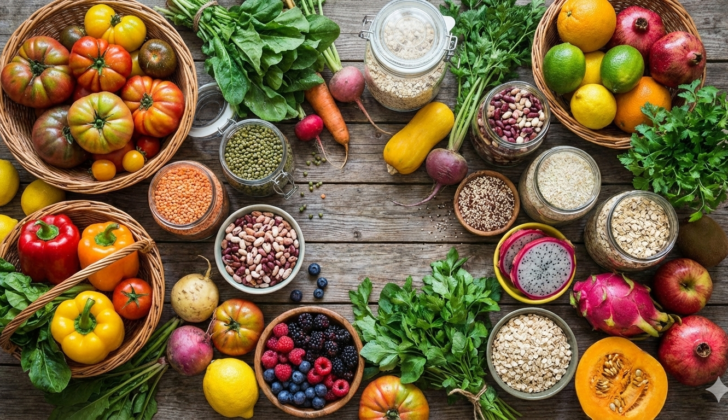
If you have spent any time on health or nutrition social media lately, you may have heard people talking about “30 plants a week.” It sounds impressive—and maybe a little overwhelming. Are we really supposed to eat 30 salads? Count every leaf of spinach? And what even counts as a plant?
The good news is that this idea is much more flexible (and achievable) than it sounds. Eating 30 different plant foods per week is not about perfection or restriction. It is about variety—and variety has powerful benefits for gut health, inflammation, heart health, and even mental well-being.
Let’s break down what the “30 plants a week” idea means, where it comes from, and how you can realistically work toward it in everyday life.
What Does “30 Plants a Week” Mean?
The concept comes from research on gut health, particularly studies showing that people who eat a wider variety of plant foods have a more diverse and resilient gut microbiome.
When we say “plants,” we are not just talking about vegetables. Plant foods include:
-
Vegetables
-
Fruits
-
Whole grains
-
Beans and lentils
-
Nuts and seeds
-
Herbs and spices
Each different type of plant counts as one. For example:
-
Spinach = 1 plant
-
Blueberries = 1 plant
-
Oats = 1 plant
-
Lentils = 1 plant
Eating spinach three times in a week still counts as one plant, not three. The goal is variety, not repetition.
Why Is Variety So Important?
Your gut is home to trillions of bacteria, collectively called the gut microbiome. These bacteria play a role in digestion, immune function, inflammation control, and even mood regulation.
Different plant foods contain different types of fiber, polyphenols, and antioxidants. Each of these feeds different strains of beneficial gut bacteria.
Think of it like a garden:
-
One type of fertilizer supports only certain plants.
-
A variety of nutrients helps the entire ecosystem thrive.
Research has shown that people who eat 30 or more different plant foods per week tend to have:
-
Greater gut microbiome diversity
-
Lower levels of inflammation
-
Better metabolic health markers
-
Improved digestive comfort
It is not about eating more food—it is about eating more kinds of food.
Does 30 Plants a Week Mean You Have to Be Vegan?
No. This approach is about adding, not eliminating.
You can still eat meat, fish, dairy, and eggs. The focus is simply on increasing plant diversity alongside your usual meals.
For example:
-
Grilled chicken with roasted vegetables
-
Yogurt topped with fruit, nuts, and seeds
-
Fish served with whole grains and herbs
Plant diversity works with many eating styles, including omnivorous, Mediterranean, vegetarian, and flexitarian diets.
What Counts (and What Doesn’t)?
These Count as Plants
-
Fresh, frozen, or canned vegetables and fruits
-
Beans and lentils (including hummus)
-
Whole grains (oats, brown rice, quinoa)
-
Nuts and seeds
-
Herbs and spices (yes, cinnamon and parsley count!)
These Usually Do Not Count
-
Highly processed foods where plants are no longer intact
-
Refined grains (white bread, white pasta)
-
Fruit juices without fiber
The closer the food is to its natural form, the more it supports gut health.
How to Reach 30 Plants Without Overthinking It
At first, 30 can sound intimidating. But when you spread it over a full week, it becomes very doable.
Start With Breakfast
-
Oatmeal (oats)
-
Blueberries
-
Chia seeds
-
Walnuts
That is already 4 plants in one meal.
Build Color Into Lunch and Dinner
A simple bowl might include:
-
Spinach
-
Tomatoes
-
Chickpeas
-
Brown rice
-
Avocado
That adds 5 more plants.
Snacks Count Too
-
Apple slices with peanut butter
-
Trail mix with nuts and seeds
-
Carrots and hummus
Every plant counts, no matter how small the portion.
Herbs, Spices, and “Bonus Plants”
One of the easiest ways to increase your weekly plant count is through herbs and spices.
Examples:
-
Garlic
-
Onion
-
Basil
-
Oregano
-
Turmeric
-
Ginger
Using a variety of seasonings can quickly add 5–10 plants per week with almost no effort.
A Sample “30 Plants” Week (Simplified)
Here is what a realistic week might look like without special planning:
-
Fruits: apples, bananas, blueberries, oranges (4)
-
Vegetables: spinach, broccoli, carrots, peppers, tomatoes, zucchini (6)
-
Grains: oats, brown rice, quinoa (3)
-
Beans/legumes: black beans, lentils, chickpeas (3)
-
Nuts/seeds: almonds, walnuts, chia, flax (4)
-
Herbs/spices: garlic, onion, basil, cinnamon, turmeric (5)
-
Extras: avocado, olives (2)
Total: 30 plants
No extreme dieting required.
Do You Have to Hit 30 Every Single Week?
No. Think of 30 as a guideline, not a rule.
If you average 20–25 plants per week and slowly build up, you are still supporting your gut in meaningful ways. Even increasing from 10 to 15 plants can make a difference.
Progress matters more than perfection.
Who Should Be Careful?
Most people benefit from increased plant diversity, but if you have:
-
Digestive conditions like IBS
-
Food allergies or intolerances
-
A history of disordered eating
It is best to move gradually and focus on tolerance, not numbers. Quality and comfort always come first.
Final Thoughts: Small Changes, Big Impact
The idea of “30 plants a week” is not about restriction, tracking obsessively, or eating perfectly. It is about expanding variety and nourishing your gut with many different types of plant nutrients.
By adding one new fruit, vegetable, grain, or spice at a time, you support digestion, immunity, and overall health—often without even noticing major changes to your routine.
So instead of asking, “Am I doing this right?” try asking:
“What is one new plant I can add this week?”
That question alone puts you on the right path.