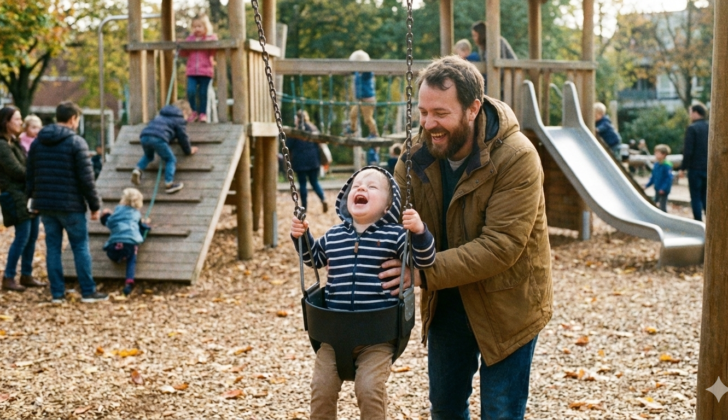
Feelings are meant to be shared, not hidden
Every child experiences big feelings—joy, frustration, excitement, sadness, fear, and everything in between. Young children often do not yet have the words or strategies to express those emotions. Instead, they show us how they feel through behavior, such as crying, yelling, hitting, running away, or shutting down.
When we teach children to use words for feelings, we give them tools for understanding themselves and connecting with others. This emotional language builds self-regulation, empathy, and social confidence.
This article will teach you why emotional language matters, how to model it naturally, and how to guide your child through those big feelings using connection and communication.
Why teaching emotional words matters
- Language organizes emotions. Naming a feeling helps children understand what is happening inside their body. When they can label it, it becomes more manageable.
- Words replace behaviors. Children who can say “I’m mad” or “I need help” are less likely to hit, throw, or scream.
- Understanding grows connection. When adults reflect and validate a child’s feelings, they send the message: “Your emotions are real, and you are safe.”
- Emotional vocabulary builds emotional intelligence. Recognizing feelings in themselves and others helps children learn empathy and problem-solving.
Step 1: Start with observation and naming
Before children can express feelings, they must see and hear them labeled.
Throughout the day, name emotions for your child and for others around them:
- “You look frustrated. The block tower fell.”
- “I feel proud that you tried again.”
- “She looks surprised! She did not expect that.”
Keep your tone calm and factual. You are helping your child link words to body signals and facial expressions.
Step 2: Use feelings in simple, short phrases
Begin with the core feelings your child experiences most often:
happy, sad, mad, scared, tired, excited.
Pair the feeling word with the situation to make meaning clear:
- “You feel mad. Your sister took your toy.”
- “You feel sad. Daddy left for work.”
- “You feel happy. You got a sticker!”
Over time, expand to more specific words like frustrated, disappointed, worried, embarrassed, proud, or silly.
Tip: Use real photos, emojis, or emotion cards as visuals. Point to the picture and say the word as you describe what you see.
Step 3: Model calm language in the moment
Children learn most by watching you. During tense or emotional moments, model what it looks like to stay regulated and use words.
Example script:
- “I feel frustrated that the milk spilled. I will take a deep breath and clean it up.”
- “I feel worried because we are running late. Let’s work together.”
You are teaching both emotional vocabulary and coping strategies in one moment.
Step 4: Connect before you correct
When your child is upset, lead with empathy, not instruction. The goal is connection first, teaching second.
Step-by-step example:
- Get down to their level.
Sit or kneel near your child. Use gentle eye contact. - Validate their feeling.
“You are mad. You wanted more time to play.” - Pause.
Let your child calm down. Silence and presence are powerful. - Teach the next step.
“When you feel mad, you can stomp your feet, take a breath, or tell me, ‘I’m mad.’” - Practice together.
“Let’s try. Say, ‘I’m mad.’ Good job using your words.”
This approach helps children feel heard while also learning a replacement behavior.
Step 5: Use visuals and routines to teach feelings
Visual supports make emotions easier to understand, especially during big moments when language can feel overwhelming.
Examples of helpful visuals:
- Feelings chart: Pictures of faces showing different emotions
- Calm-down choice board: Options like “deep breaths,” “hug,” “quiet space,” “squeeze toy,” “count to 10”
- First/Then board: “First calm body, then talk”
- Daily check-in chart: Child points to how they feel in the morning
Example script:
“You feel mad. Let’s look at your calm choices.” (points to chart)
“Do you want to squeeze your ball or take a break?”
Visuals give children structure and help them return to language once calm.
Step 6: Practice feelings through play
Play is the perfect, pressure-free setting for learning emotional words.
Pretend play
- Use dolls, animals, or toy people to act out feelings.
“The bear feels sad. He lost his blanket. What can help him?” - Encourage your child to problem-solve: “Should we hug the bear or find his blanket?”
Books
Choose stories with clear emotions. Pause to label and discuss feelings:
- “Look at his face. How does he feel?”
- “She looks scared. What might help her feel safe?”
Mirror play
Stand in front of a mirror and take turns making feeling faces: happy, sad, mad, surprised.
Say: “Show me happy. Show me mad. Look at my face—this is worried.”
These playful moments build awareness long before emotions run high in real life.
Step 7: Reinforce positive expression
When your child uses words or even tries to, celebrate it!
- “You said, ‘I’m mad!’ That helped me know how you feel.”
- “You told me you were sad instead of yelling. I am proud of you.”
Specific praise shows children that using words is powerful and effective.
Step 8: Keep modeling across the day
Use emotion language often, not only during big reactions.
At breakfast: “I feel tired. I need coffee.”
During play: “You look proud of your tower.”
At bedtime: “You feel calm now. It is time to rest.”
Every small moment builds a foundation for emotional understanding.
When words are not enough
For children with limited language or those just beginning to communicate, feelings can still be expressed through pictures, gestures, or sign language. You can model these along with spoken words:
- Point to “mad” on a feelings chart.
- Show a calm-down visual and pair it with “You can take a break.”
- Use signs for happy, sad, help, or all done.
Each repetition strengthens comprehension and gives your child a safe way to share.
Final Thoughts: Small words for big emotions
Big feelings are not bad feelings. They are messages waiting for understanding. When we slow down, name the feeling, and show what to do next, we teach children that emotions are safe, manageable, and worth talking about.
You do not need a perfect script, just presence, patience, and practice. Over time, your child will learn that words have power: they can calm, connect, and bring people closer.
Keep Learning & Stay Connected
Follow First Words Bright Futures on Facebook and Instagram for:
-
Daily speech tips
-
Fun activity ideas
-
Q&A with a pediatric SLP
Explore More:
- MDS: Making Communication Visible: Using Visual Supports in Daily Routines
- MDS: Why Modeling Language Works Better Than Correcting Your Child’s Speech
Disclaimer: This article offers general educational information. It is not a substitute for professional evaluation or treatment. Please consult a licensed Speech-Language Pathologist for personalized concerns regarding your child’s speech development.