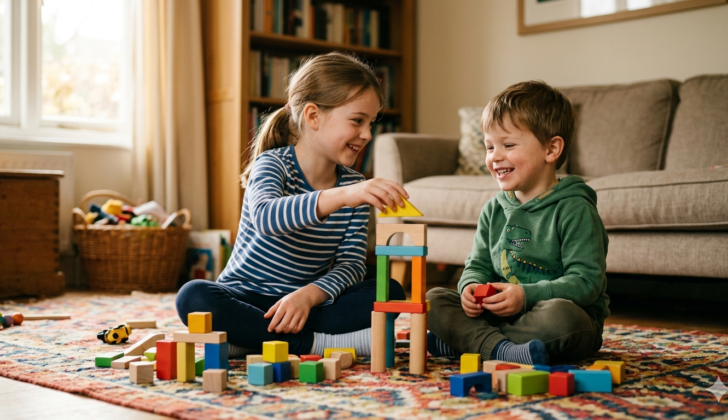
Parents often ask an important question:
“What should I say when my children start arguing?”
It is not uncommon for children to struggle with communication during moments of conflict. When a toy is taken, when a sibling interrupts, or when feelings get hurt, children often respond with yelling, grabbing, crying, or saying unkind words.
These reactions are not signs that a child is “bad.” Instead, they often show that a child does not yet have the language needed to express feelings and solve problems.
One of the most important things I teach families is this:
Children learn communication by listening to the adults around them. If we want children to use kind and respectful words during conflict, we must model those words clearly and consistently.
This article will walk you through exactly how to do that, with step-by-step examples and scripts that parents can follow word for word.
These strategies support:
- language development
- emotional regulation
- social communication skills
- problem solving
- respectful communication with others
Why Children Need Help Learning Conflict Language
Many parents say things like:
“Use nice words.”
“Stop yelling.”
“Be kind.”
Although these messages are well intentioned, they often leave children unsure about what words they should actually say.
Children need specific language models.
Think of it this way: if a child does not yet know the words for a situation, behavior becomes the way they communicate. When adults provide clear language models, they give children a script they can use later.Over time, children begin using those same phrases independently.
Modeling kind words helps children learn how to:
- express feelings clearly
- ask for help
- solve disagreements
- set boundaries respectfully
- repair hurt feelings
These are essential social communication skills that support friendships and emotional development.
The Three-Step Method for Modeling Kind Words During Conflict
When conflict happens, parents can use a simple three-step approach.
Step 1: Slow Down and Stay Calm
Children borrow emotional regulation from the adults around them. When an adult reacts with frustration or raised voices, a child’s emotions often escalate. Instead, slow your voice and speak calmly.
Example:
Instead of saying:
“Stop yelling right now!”
Try saying:
“I hear that you are upset. Let us slow down and use words.”
This approach helps children feel safe enough to listen.
Step 2: Name the Feeling
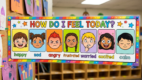
Children often act out because they do not yet have the words to describe their emotions. When adults label feelings, children begin connecting words with emotions.
Examples:
“You look frustrated because the tower fell.”
“You seem upset that your sister took the toy.”
“You look disappointed that the game ended.”
When children feel understood, their behavior often decreases.
Step 3: Model the Exact Words the Child Can Use
This is the most important step. Instead of expecting the child to figure out what to say, you give them the words.
Example:
“You can say, ‘I was still playing with that. Please give it back.’”
or
“You can say, ‘I feel upset when you grab my toy.’”
Over time, children remember these phrases and begin using them independently.
What to Say When Children Fight Over Toys
Toy conflicts are one of the most common disagreements among young children.
Example Situation
A child grabs a toy from another child.
The first child begins yelling or crying.
Step-by-Step Script Parents Can Use
Step 1: Acknowledge the feeling.
“You are upset because the toy was taken.”
Step 2: Model respectful language.
“You can say, ‘I was still playing with that. Please give it back.’”
Step 3: Practice the words.
“Let us try it together.”
Then guide the child to say:
“I was still playing with that. Please give it back.”
These repeated models teach children how to resolve conflicts with words instead of behavior.
What to Say When Children Interrupt Each Other
Children often become frustrated when they are interrupted while speaking. Instead of ignoring the moment, use it as an opportunity to teach communication.
Example script:
“You were talking and someone started talking over you.”
“That can feel frustrating.”
“You can say, ‘I was still talking. Please let me finish.’”
This teaches children how to advocate for themselves respectfully.
What to Say When a Child Feels Left Out
Feeling excluded can be very upsetting for children. Many children respond by withdrawing or becoming upset. Instead, model language they can use to join play.
Example script:
“You look sad because the other children started playing without you.”
“You could say, ‘Can I play with you?’”
Another option:
“You could say, ‘I would like to join the game.’”
These phrases help children learn how to enter social situations confidently.
What to Say When a Child Uses Unkind Words
Children sometimes say things like:
“You are not my friend.”
“I do not like you.”
These words often come from frustration rather than true intent. Instead of focusing only on discipline, teach better language.
Example script:
“It sounds like you are very upset.”
“If you need space, you could say, ‘I need a break right now.’”
or
“You could say, ‘I do not like that. Please stop.’”
This helps children express strong feelings without hurting others.
Teaching Children Language for Sibling Arguments
Sibling disagreements happen frequently in most homes. These moments are excellent opportunities to practice communication skills.
Example script:
“I hear both of you talking loudly. Let us slow down.”
To the first child:
“You can say, ‘I do not like when you knock down my blocks.’”
To the second child:
“You can say, ‘I wanted a turn.’”
Then help with problem solving.
“What could we say next?”
Possible modeled sentence:
“Let us take turns.”
Teaching Children How to Apologize
Many children are told to say sorry, but they may not understand what an apology means. Instead of a quick “sorry,” model a complete message.
Example script:
“I am sorry I knocked over your tower.”
“Are you okay?”
“I can help rebuild it.”
This teaches children that apologies involve acknowledging the mistake and repairing the situation.
Helpful Sentence Frames Children Can Learn
Over time, children begin remembering common sentence patterns. These structures make communication easier.
Expressing Feelings
“I feel mad when you take my toy.”
“I feel sad when I cannot play.”
Making a Request
“Please stop.”
“Please give it back.”
“Can I have a turn?”
Setting Boundaries
“I am still using this.”
“I need space.”
Solving Problems
“Let us take turns.”
“We can share.”
“You can play when I am done.”
These simple sentence patterns support language development and social communication skills.
Practice Communication During Calm Moments
The best time to teach conflict language is before conflict happens. Parents can practice these phrases during everyday activities.
Examples:
During playtime:
“If someone takes your toy, you could say, ‘I am still playing with that.’”
During story time:
“The character is upset. What could they say?”
During pretend play:
Use dolls or stuffed animals to act out disagreements.
Example:
“This teddy took the toy. What could the other teddy say?”
Practicing in calm moments helps children remember the language when emotions are higher later.
Children Learn Communication by Watching Adults
Children pay close attention to how adults talk to each other. They benefit from hearing respectful communication in everyday life.
Examples children can hear:
“I did not like that. Please stop.”
“I feel frustrated right now. I need a moment.”
“Thank you for listening.”
These everyday examples teach children how respectful communication sounds in real life.
What If My Child Does Not Use the Words Yet?
This is completely normal.
Learning new communication skills takes repetition. Many children need to hear the same phrase many times before using it independently. Instead of expecting immediate change, focus on consistent modeling.
You might say:
“That was a big feeling. Let me help with the words.”
Then model the sentence again.
Over time, children begin internalizing these language patterns.
Final Thoughts: Small Words Create Big Change
Teaching children how to communicate during conflict is one of the most valuable life skills parents can provide. When adults model calm voices, clear feelings, and respectful language, children learn how to handle disagreements with confidence and kindness. Every modeled sentence becomes a communication tool children can use in the future.
One day you may hear your child say calmly:
“I was still using that. Please give it back.”
In that moment, you will know that the modeling worked.
Keep Learning & Stay Connected
Follow First Words Bright Futures on Facebook and Instagram for:
-
Daily speech tips
-
Fun activity ideas
-
Q&A with a pediatric SLP
Explore More:
- MDS: Why My 4-Year-Old Hits Instead of Using Words
- MDS: Teaching Kids to Ask for Help: A Powerful Skill That Reduces Meltdowns
Disclaimer: This article offers general educational information. It is not a substitute for professional evaluation or treatment. Please consult a licensed Speech-Language Pathologist for personalized concerns regarding your child’s speech development.