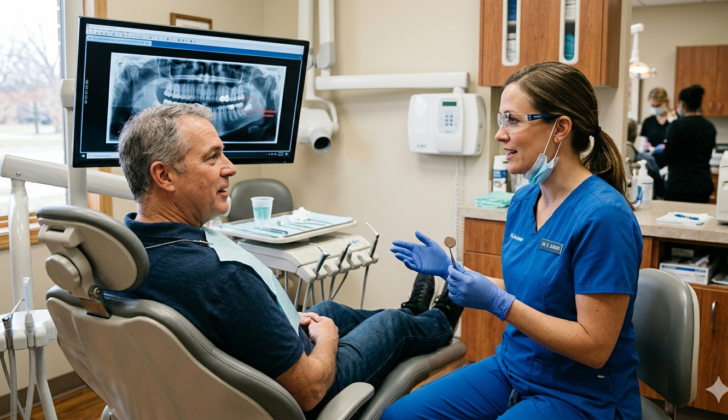
Medications like Ozempic, Wegovy, and Mounjaro have become widely known for helping with weight loss and blood sugar control. Alongside the success stories, many people have also started talking about a newer concern online called “Ozempic teeth.”
You may have seen photos or social media posts claiming these medications can damage teeth, cause dry mouth, or lead to changes in appearance. Naturally, this can feel alarming.
The good news is that Ozempic itself does not directly rot teeth or destroy enamel. However, some side effects associated with these medications can indirectly affect oral health if they are not managed carefully.
This article explains what “Ozempic teeth” really means, why these changes may happen, how to protect your teeth and gums, and when to speak with a healthcare professional.
What Is “Ozempic Teeth”?
“Ozempic teeth” is not a medical diagnosis. It is a social media term people use to describe dental or facial changes they notice while taking GLP-1 medications such as:
- Ozempic
- Wegovy
- Mounjaro
- Zepbound
People commonly report:
- Dry mouth
- Bad breath
- Tooth sensitivity
- Increased cavities
- Gum irritation
- Changes in facial appearance after rapid weight loss
Most of these issues are not caused directly by the medication damaging teeth. Instead, they are usually linked to side effects like dehydration, nausea, vomiting, appetite changes, or rapid weight loss.
Why Oral Health Changes May Happen
1. Dry Mouth (Reduced Saliva)
One of the most common concerns is dry mouth.
Some people taking GLP-1 medications notice they feel thirstier or produce less saliva. Saliva is extremely important because it:
- Washes away bacteria
- Protects tooth enamel
- Neutralizes acids
- Helps prevent cavities
When saliva decreases, bacteria and acids can stay on the teeth longer.
Signs of Dry Mouth
- Sticky feeling in the mouth
- Cracked lips
- Bad breath
- Increased cavities
- Trouble swallowing
- Burning sensation on the tongue
What Helps
- Sip water throughout the day
- Chew sugar-free gum
- Use alcohol-free mouthwash
- Avoid excessive caffeine
- Consider saliva-support products if recommended by your dentist
2. Vomiting and Acid Exposure
Some people experience nausea or vomiting while adjusting to Ozempic or similar medications.
Stomach acid is very harsh on tooth enamel. Frequent vomiting can gradually wear down the protective outer layer of teeth, leading to:
- Sensitivity
- Yellowing
- Weak enamel
- Higher cavity risk
Important Tip
Do not brush immediately after vomiting.
Acid temporarily softens enamel. Brushing right away can increase damage.
Instead:
- Rinse with water
- Rinse with baking soda mixed in water if tolerated
- Wait about 30 minutes before brushing
3. Changes in Eating Patterns
Many people eat less frequently while taking Ozempic. Some may skip meals or consume smaller portions.
This can affect oral health in different ways:
- Reduced nutrition may affect gums and healing
- Increased snacking on processed foods can raise cavity risk
- Protein intake may decrease
- Dehydration may worsen
Some people also crave sugary drinks or simple carbohydrates when dealing with nausea.
Helpful Nutrition Tips
Focus on:
- Protein-rich foods
- Crunchy vegetables
- Calcium-rich foods
- Hydration
- Balanced meals when possible
4. Rapid Weight Loss and Facial Changes
Another topic often associated with “Ozempic teeth” is facial appearance.
Rapid weight loss can reduce fat in the face, sometimes creating:
- More visible facial lines
- A thinner appearance around the mouth
- Changes in cheek fullness
This is sometimes confused with dental damage, but it is usually related to changes in facial fat distribution rather than the teeth themselves.
Does Ozempic Directly Damage Teeth?
Current evidence does not show that Ozempic directly damages teeth or gums.
The medication itself is not known to:
- Cause tooth decay directly
- Weaken enamel directly
- Destroy teeth
Most dental concerns are indirect and linked to side effects or lifestyle changes that occur during treatment.
This distinction is important because many online claims can sound frightening or misleading.
Signs You Should Not Ignore
While mild dry mouth or temporary nausea can happen, some symptoms deserve professional attention.
Speak with a dentist or healthcare provider if you notice:
- Persistent dry mouth
- Tooth pain
- Bleeding gums
- Severe sensitivity
- Cracked teeth
- Frequent vomiting
- Mouth sores
- Difficulty eating or drinking
Early treatment can prevent bigger dental problems later.
How to Protect Your Teeth While Taking Ozempic
The good news is that simple daily habits can significantly reduce risk.
1. Prioritize Hydration
Hydration is one of the best ways to protect oral health.
Try:
- Carrying a water bottle
- Taking small sips throughout the day
- Limiting sugary drinks
- Watching caffeine intake
2. Maintain a Gentle Oral Care Routine
Brush twice daily with fluoride toothpaste and floss once a day.
If your mouth feels sensitive:
- Use a soft toothbrush
- Avoid whitening toothpaste temporarily
- Ask your dentist about sensitivity toothpaste
3. Support Saliva Production
Saliva is protective.
Helpful options include:
- Sugar-free gum with xylitol
- Sugar-free lozenges
- Staying hydrated
- Breathing through the nose when possible
4. Schedule Regular Dental Visits
Regular cleanings and exams are especially important during periods of rapid weight loss or medication changes.
Your dentist can:
- Monitor enamel health
- Watch for dry mouth complications
- Catch small cavities early
- Recommend protective treatments
5. Protect Teeth From Acid
If nausea or reflux is an issue:
- Rinse after vomiting
- Avoid brushing immediately
- Discuss nausea management with your doctor
- Eat smaller meals if recommended medically
Emotional Impact and Body Changes
Some people feel surprised by changes in their appearance during rapid weight loss. Social media discussions about “Ozempic face” and “Ozempic teeth” can increase anxiety and self-consciousness.
It is important to remember:
- Every body responds differently
- Many changes are temporary
- Oral health can often be protected successfully
- Healthcare providers can help manage side effects
If concerns about appearance or dental health are affecting your confidence, talk openly with your medical team or dentist.
A Balanced Perspective
Medications like Ozempic can provide meaningful health benefits for many people, including improved blood sugar control and weight-related health improvements.
At the same time, side effects deserve attention and proactive care.
Rather than fearing the medication itself, focus on:
- Hydration
- Nutrition
- Oral hygiene
- Regular dental care
- Monitoring side effects early
With proper support, many people take these medications without major dental complications.
Final Thoughts
“Ozempic teeth” is not an official medical condition, but it highlights real concerns some people experience while taking GLP-1 medications. Most issues are connected to dry mouth, acid exposure, dehydration, or rapid weight loss rather than direct damage from the medication itself.
The good news is that protecting your oral health is possible with simple daily habits and regular dental care. Paying attention to hydration, nutrition, and mouth care early can help prevent many complications before they become serious.
If you are taking Ozempic or a similar medication and notice changes in your teeth, gums, or mouth, do not panic. Speak with your dentist or healthcare provider. Small adjustments and early support can make a big difference.
Explore More:
MDS: Anti-Aging Peptide Injections: Do They Work or Are They Hype?